The main thing is lead-free
We have been developing, producing and distributing taps, fittings, radiators and sanitary articles for 3 generations.
Continuous technical development, in combination with the best materials, is one of HERMANN SCHMIDT’s key success factors.
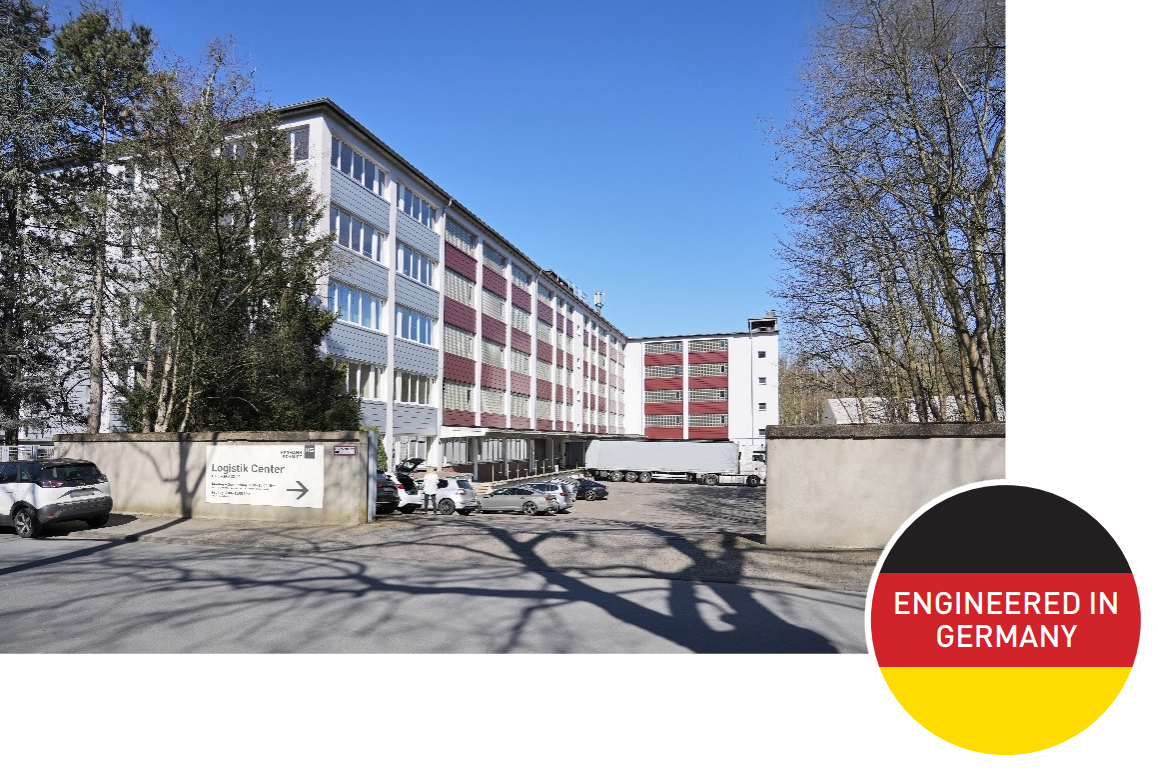
We have been developing and producing drinking water and heating fittings since 1962. Since then, we have continued to develop our technology so that we can offer you the best premium quality every day.
Tested and certified quality
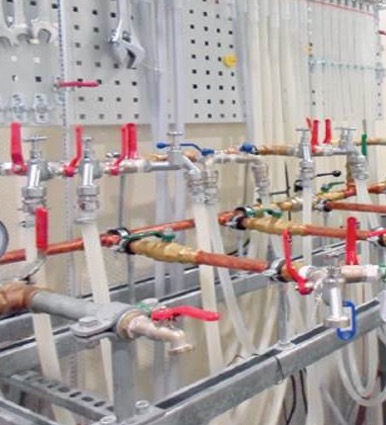
HSE® fittings are developed and tested in our technical center in Berlin. All HSE® fittings are subject to constant quality and safety monitoring in accordance with current guidelines and standards.
In the first stage, the fittings undergo quality control at the factory. The second stage involves an external quality control. This involves checking both the chemical and mechanical characteristics of the fittings. The third stage takes place in our own technical center. The test protocols of the external quality control are cross-checked. We only release the fittings for sale if all three control instances produce positive results.
All HSE® fittings for the drinking water sector comply with the guidelines of the German Federal Environment Agency (UBA). In addition, a number of fittings have been tested and certified by the DVGW (German Technical and Scientific Association for Gas and Water).
Our general quality standards – your safety
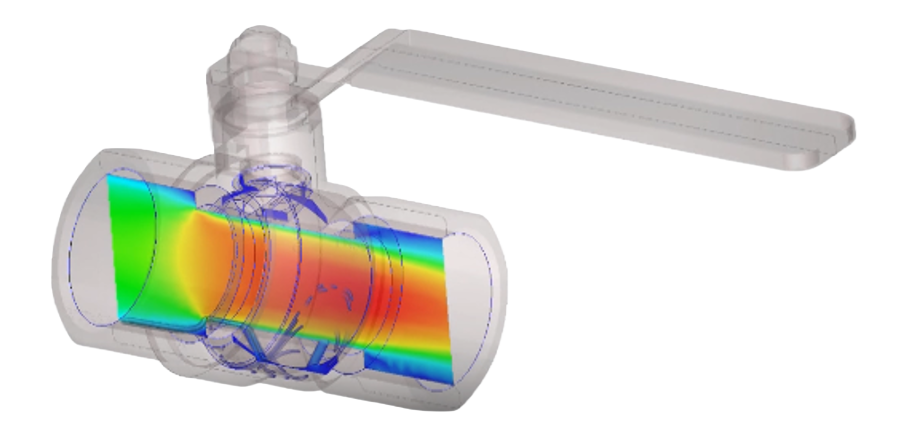
We are continuously and sustainably converting our fittings production.
Lead-free fittings are our benchmark.
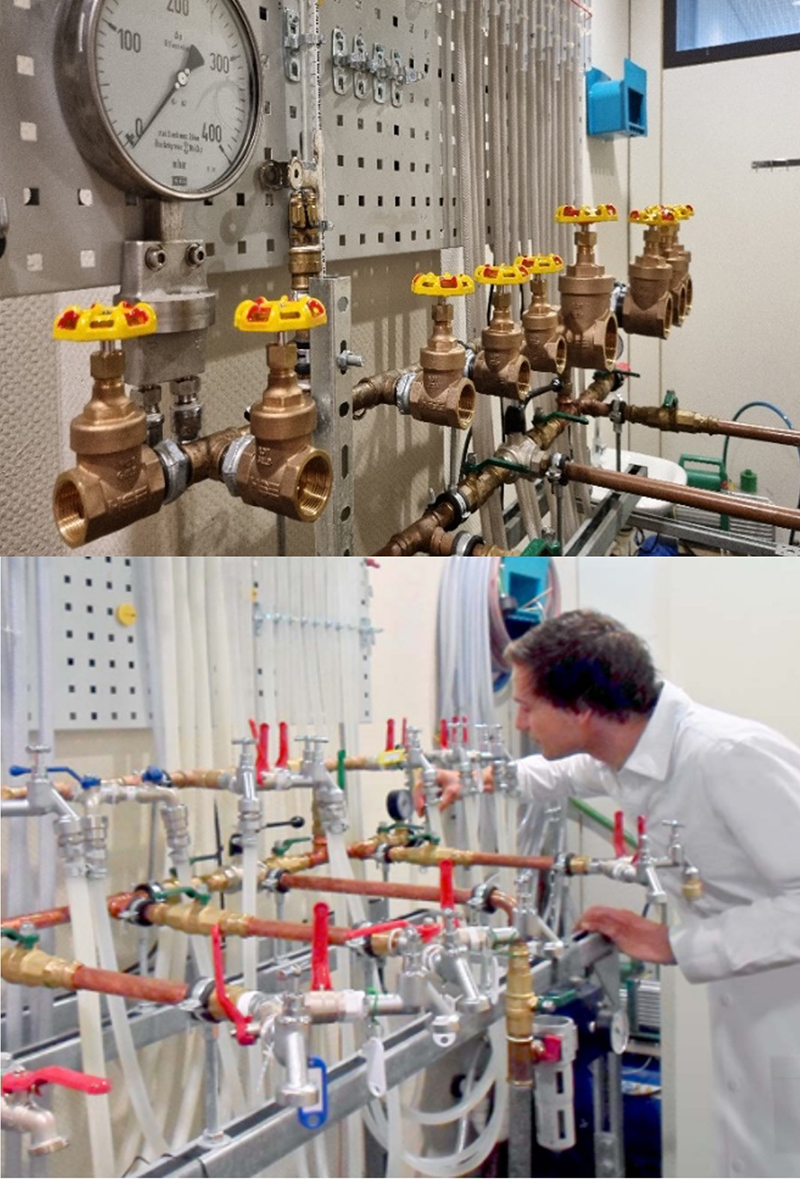
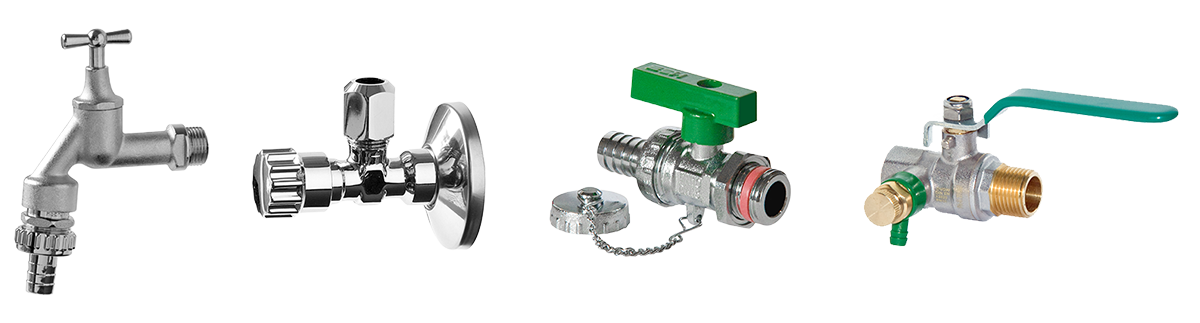
Lead-free drinking water fittings are our standard – ideas and solutions for you
Drinking Water Ordinance (TrinkwV) / RoHS / REACH / SVHC
Future 2028
Future 2028
What is the EU Drinking Water Directive (DWD)?
The revised EU Drinking Water Directive 2020/2184 (DWD) aims to reliably protect people and the environment from contaminated drinking water and at the same time improve access to clean drinking water throughout the European Union.
It came into force on January 12, 2021 and for the first time lays down uniform minimum requirements across Europe for all materials that come into contact with drinking water, e.g. metals, plastics or seals.
Article 11 of the Directive defines the hygiene requirements for materials to ensure that no substances hazardous to health are transferred from the materials used to drinking water.
In Germany, the requirements of the EU Drinking Water Directive are transposed into binding law via the national Drinking Water Ordinance (TrinkwV).
What is the Drinking Water Ordinance (TrinkwV)?
The Drinking Water Ordinance (TrinkwV) is the German law that transposes the requirements of the EU Drinking Water Directive into national law.
Among other things, it regulates the quality requirements for drinking water, the obligations of water suppliers and operators as well as requirements for materials and products that come into contact with drinking water.
For manufacturers, this means that compliance with the Drinking Water Ordinance ensures that products can be used in the German market with legal certainty.
What is ECHA?
ECHA (European Chemicals Agency) is the European Chemicals Agency based in Helsinki.
It supports the European Commission in the implementation of European chemicals legislation, e.g. REACH, and takes on additional tasks as part of the EU Drinking Water Directive.
For the drinking water sector, ECHA draws up and maintains the European positive lists (EUPL) on behalf of the EU Commission. These lists contain the substances, mixtures and materials that may be used for materials in contact with drinking water.
ECHA also develops assessment guidelines and processes to ensure that the positive lists are regularly reviewed and updated.
What is the EU Positive List (EUPL)?
The EU positive list (European Positive List, EUPL) is a Europe-wide standardized list of substances, mixtures and materials that are approved for materials in contact with drinking water.
Only substances/materials that are included in this list (with conditions and limit values, if applicable) may be used for products that come into contact with drinking water, such as fittings, valves or pipe components. with conditions and limit values) may be used in future for products that come into contact with drinking water, such as fittings, valves or piping components.
The EUPL is based on the national positive lists reported by the member states (e.g. the UBA list in Germany) and is gradually replacing these with a harmonized EU system.
What is the UBA list?
The UBA list is the Federal Environment Agency’s (UBA) assessment basis for metallic materials in contact with drinking water in Germany.
It specifies which metallic materials are classified as suitable from a drinking water hygiene perspective and has been a central national reference to date.
The experience and content of the UBA list have been incorporated into European harmonization and serve as a technical basis for the new EU positive list. In the long term, the EUPL will become the central reference, while the UBA list had an important precursor and input role.
Why is Hermann Schmidt changing the material?
The new EU Drinking Water Directive stipulates stricter requirements and limit values for substances that may be present in drinking water – particularly with regard to lead.
The aim is to further reduce lead contamination in drinking water and to protect the health of end consumers in the long term.
Hermann Schmidt is implementing these requirements at an early stage and is switching to lead-free, compliant material in order to ensure maximum drinking water safety and legal conformity in the future.
Which Hermann Schmidt products are affected?
All products that come into contact with drinking water as intended are affected.
This includes in particular our ARM and RVT range, e.g. ball valves, connection fittings and brass screw fittings.
These product groups will be gradually converted to the new material.
Which material will be used in the future?
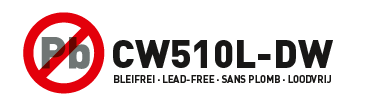
We are switching to the material CW510L-DW.
This brass alloy meets the new requirements for lead-free materials with a lead content ≤ 0.1%.
The material is included in the relevant European positive lists and is therefore suitable for use in drinking water applications.
When do the new requirements apply and how does the changeover work?
The new requirements will apply from 12.01.2028.
A controlled transition phase will run until then, during which we will gradually convert our product range to the new material (mixing phase).
The final technical conversion of our production to the new material is planned for the first quarter of 2027, so that we can convert our stocks and logistics in an orderly manner together with wholesalers and tradespeople.
What happens to products made from CW617N that have already been delivered?
Products that were delivered or installed before 12.01.2028 may continue to be used.
There are no plans to take back goods in stock, as all stocks were properly manufactured and documented in accordance with the rules applicable at the time of manufacture.
The new regulation primarily affects future production and placing on the market after the end of the transition period.
Will the products be given new article numbers or EAN codes?
Yes. Due to the material change, the products are considered new items in terms of market requirements.
They are therefore given new item numbers and new EAN codes to ensure clear identification in merchandise management, logistics and retail.
This means that it is always clear whether an item is made from the previous or the new material.
How do I recognize products made of lead-free material?
All affected products are provided with a clear material label or an abbreviation such as “LF” (Lead Free) or a comparable label.
The material used (e.g. CW510L-DW) is clearly indicated in the technical documentation and data sheets.
This allows wholesalers, tradesmen and planners to see at a glance which products comply with the new material standard.
Do you have questions about the material changeover? – Our technical support team will be happy to advise you.


 RED-YELLOW 3R Drinking water gate valve


You need to load content from reCAPTCHA to submit the form. Please note that doing so will share data with third-party providers.
More InformationYou need to load content from hCaptcha to submit the form. Please note that doing so will share data with third-party providers.
More InformationYou need to load content from reCAPTCHA to submit the form. Please note that doing so will share data with third-party providers.
More InformationYou are currently viewing a placeholder content from Turnstile. To access the actual content, click the button below. Please note that doing so will share data with third-party providers.
More Information